A Journey Through Morocco: Colour, Texture and Craft
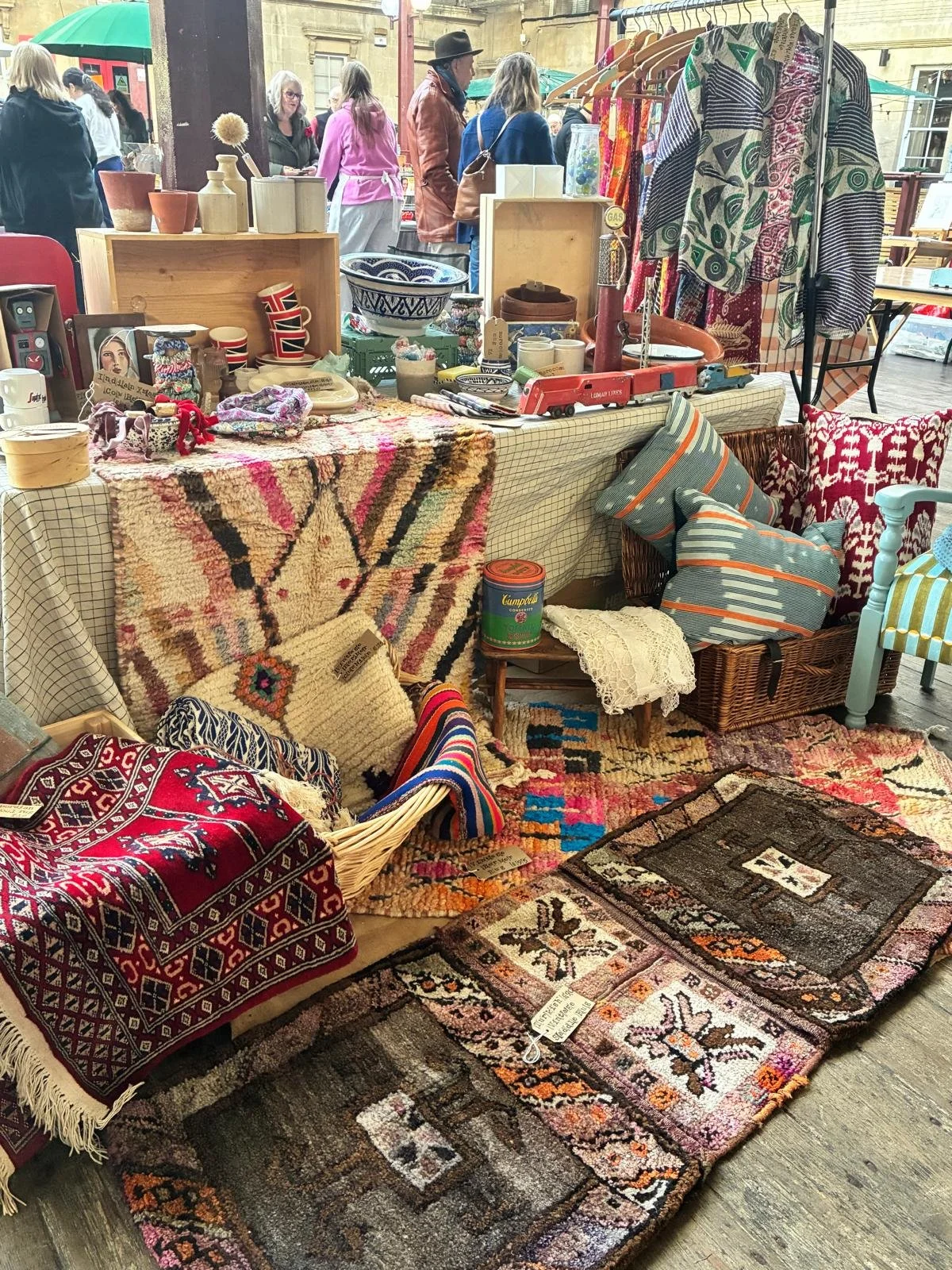
Morocco has a way of staying with you. The colours are deeper than you expect. The textiles more layered. The craft more present in everyday life than almost anywhere else — woven into the markets, the architecture, the rhythm of the streets.
For Walnut, it remains one of the most formative influences on the collection. Not as a trend to borrow from, but as a place that changed how we look at objects.
A few things Morocco taught us about colour, texture and craft:
Colour is not decoration — it is structure. In Moroccan interiors, deep terracotta, saffron, indigo and aged brass work together not as accent but as foundation. Colour carries the room. It is worth being bolder than your instinct allows.
Texture is what makes colour feel warm. A woven kilim, a hammered metal tray, a rough-glazed ceramic — the richness of a Moroccan interior comes from the layering of surfaces, not the addition of more objects.
Craft is a conversation across time. The techniques used by Moroccan artisans — hand-knotting, zellige tilework, leather tanning in the ancient tanneries of Fès — have been passed between generations for centuries. Owning a piece made this way connects your home to that lineage.
Buy from the maker where you can. The closer the object is to its origin, the more of that story it carries home with you.
Every piece in the Walnut collection that traces back to Morocco carries something of that journey. You can feel it in the object, even when you can't name it.